Comprehensive inspections, dust-free sweeps, certified masonry restoration, and flue upgrades for Mill Valley and Marin County properties.
Every chimney system in California faces unique coastal moisture, seismic movement, and high thermal demands. Barlow Chimney Inc offers tailored solutions designed to safeguard your household.
 Routine Safety
Over time, burning wood deposits flammable unburned hydrocarbons—known as creosote—along the interior walls of your flue. Left untreated, creosote poses an imminent chimney fire risk. Our rotary power sweeping system thoroughly clears your flue without releasing airborne particles into your living quarters.
 NFPA Certified
Human eyes cannot see through 30 feet of narrow chimney turns. We guide a 360-degree high-definition camera from hearth to crown, examining every mortar joint, flue tile, and connection point for hidden cracks that leak poisonous carbon monoxide or heat into adjacent wall framing.
 Structural Integrity
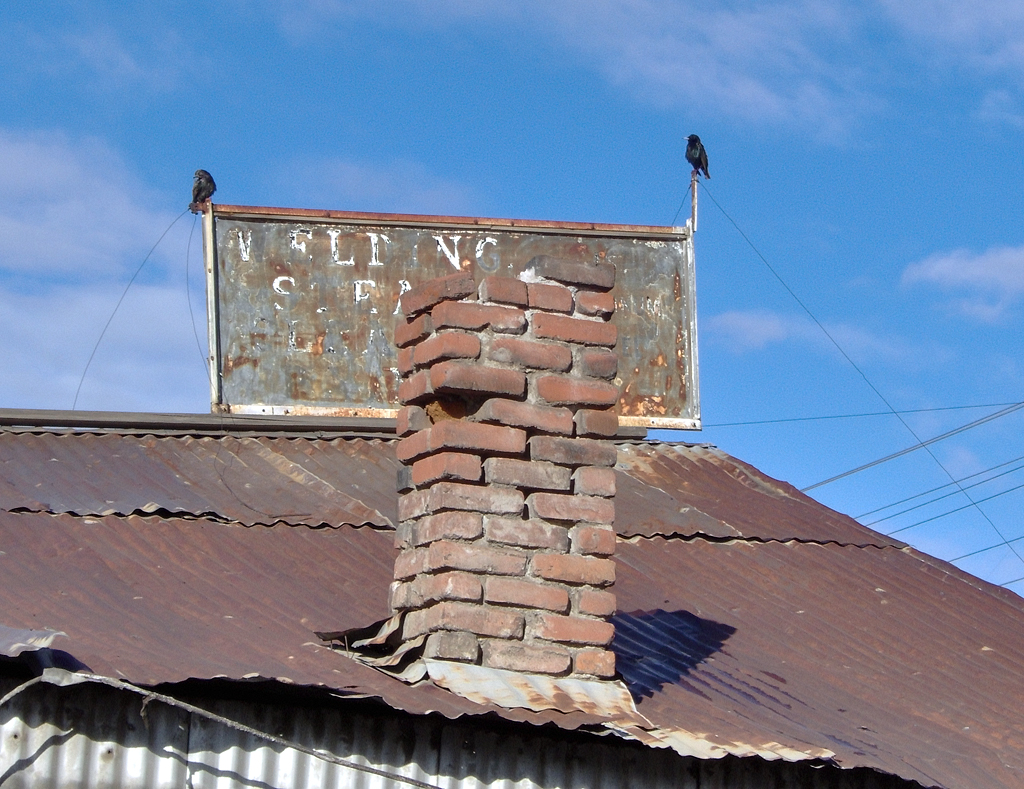
California weather cycles cause mortar to crumble and bricks to spall. Our masonry artisans perform precision tuckpointing, color-matched mortar matching, concrete chimney crown rebuilding, and deep structural bracing to protect against earthquake vibration and moisture saturation.
 Lifetime Protection
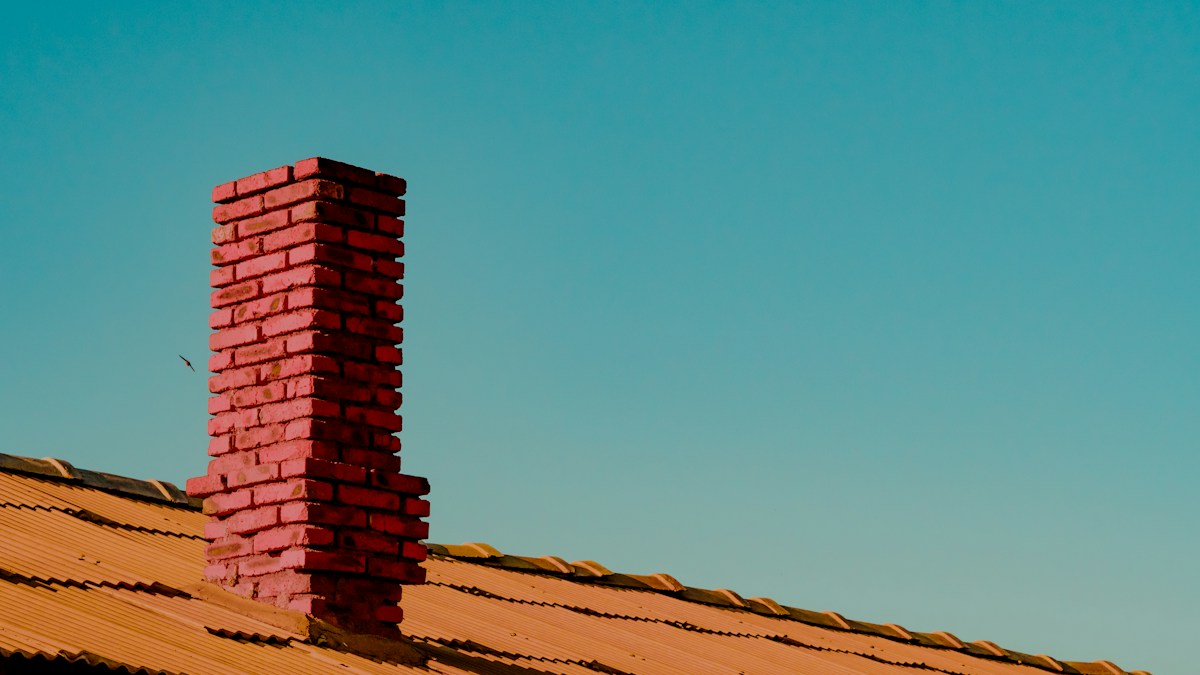
When original clay flue tiles crack or shift, hot embers and gases escape into the home structure. We install custom UL-listed 316Ti and 304 alloy stainless steel liner systems wrapped in high-temp ceramic insulation blankets. This restores proper draft velocity and guarantees lifetime fire safety.
 Weather Defense
An uncapped chimney is an open 8-inch hole directly into your living room. We fabricate and install heavy-duty stainless steel and copper chimney caps, spark arrestor screens to comply with California wildfire codes, and rubber-gasketed top-sealing dampers that halt warm air escape.
 Hearth Remodeling
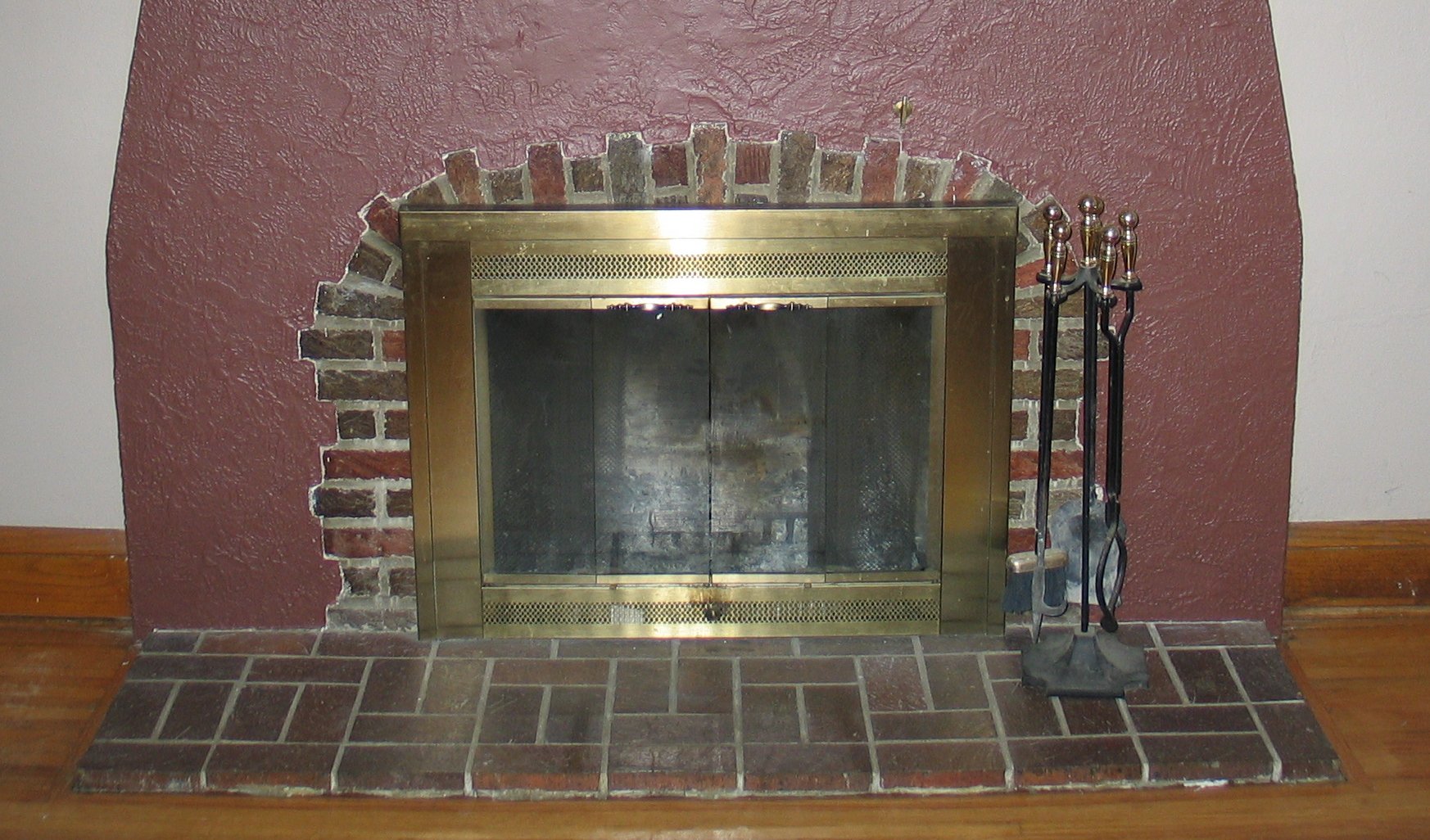
Revitalize your living room focal point. We replace cracked refractory firebrick panels, parge rough smoke chambers for smooth airflow, install energy-efficient gas log inserts with remote thermostats, and install tempered glass fireplace doors to elevate aesthetic appeal and safety.
Helpful answers from our master technicians about chimney safety, inspection frequencies, and maintenance best practices.
The National Fire Protection Association (NFPA) Standard 211 recommends an annual chimney inspection for all wood-burning and gas fireplaces, regardless of how often they are used. Even if you only build fires a few times a year, animals can nest in the flue, freeze-thaw cycles can crack mortar, or moisture can rust dampers. Sweeping is recommended whenever 1/8 inch of creosote accumulation is detected.
Never with Barlow Chimney Inc! We enforce our 100% Mess-Free Cleanliness Guarantee. Our crew seals the hearth opening with magnetic dust blankets, lays heavy neoprene runners over your flooring, and maintains continuous negative air pressure with triple-stage HEPA vacuums. Your home will remain pristine throughout the entire service.
A Level 1 inspection is a visual review of the readily accessible portions of the chimney and heating appliance during standard routine annual checkups. A Level 2 inspection is more extensive, requiring video scanning of internal flue surfaces, attic clearances, crawl spaces, and exterior masonry. Level 2 is legally required when selling or purchasing a home in California, or after an earthquake, weather event, or chimney fire.
Creosote is a highly combustible byproduct of wood combustion that condenses on cool chimney walls. In its advanced third stage, it forms a hardened, tar-like glaze. If flue temperatures reach approximately 450°F to 1000°F, creosote can ignite into an intense chimney fire reaching over 2000°F—easily cracking brickwork and catching attic wood frames on fire.
Key warning signs include: white powdery staining on exterior brickwork (efflorescence caused by trapped moisture), cracked or flaking mortar joints (tuckpointing needed), loose or falling bricks, visible water dripping into your firebox, musty smells after rain, or hairline cracks along the top concrete chimney crown.